Posted on November 23, 2010 by Archer USMLE Reviews
119) A 60-year-old woman presents to the Emergency Room with massive hemetemesis. The onset is acute. She denies any alcohol use or any antecedent nausea, vomiting or retching. On physical examination, the patient is found to be hypotensive with a blood pressure of 80/40. The patient is started on Intravenos fluids and proton pump inhibitors. Prothrombin time and liver function tests are with in normal limits. Hemoglobin is low at 7gm/dl and the patient is now being transfused with 2 units of packed red cells. An immediate Endoscopy is scheduled which revealed bleeding gastric varices but no esophageal varices. Local vasocontrictor therapy and band ligation could not restrain the bleeding. Ultrasound and CT scan of abdomen revealed enlarged spleen, an engorged splenic artery and an intraluminal filling defect in the Splenic Vein as shown in the picture below 
The most common etiology of the condition mentioned above :
A) Polycythemia Vera
B) Inherited Thrombophilias
C) Liver Cirrhosis
D) Chronic Pancreatitis
E) Carcinoma Pancreas
120) The pathophysiology behind the development of Varices in this patient :
A) Systemic Portal Hypertension
B) Superior Mesenteric Vein Thrombosis
C) Liver Cirrhosis
D) Sinistral Portal Hypertension
E) Angiodysplasia
121) The most effective treatment for the condition described above:
A) Transjugular Intrahepatic Portosystemic Shunt
B) Thrombolysis
C) Anticoagulation with heparin
D) Splenectomy
Filed under: USMLE Test Prep | 8 Comments »
Posted on November 16, 2010 by Archer USMLE Reviews
118) A 30-year-old woman has been using oral contraceptive pillls, combination type for past 8 yrs. However, she also has a history of migraines. Lately, she has been experiencing an average of 14 episodes of severe migraine without aura yearly. Careful evaluation of her headache calender reveals that most of them occur exclusively during the pill-free week of her OC regimen. She has no history of smoking. She has never had DVT or family hx of thrombophilia. Her physical exam is normal without any neurological deficits. Next step in management ?
A. Switch to low dose estrogen pills
B. Switch to minipill
C. Discontinue OC pills
D. Start extended duration OC pills like seasonale
Filed under: USMLE Test Prep | 6 Comments »
Posted on November 16, 2010 by Archer USMLE Reviews
117) A 35-year-old woman with history of smoking 1 ppd x 15 yrs, comes to you 4 months after beginning OC pills. Shortly after starting OCs, she started experiencing headaches twice a week lasting 12 hours. The headaches are bilateral, throbbing, and accompanied by nausea and sensitivity to light and sound. They are heralded by a 50-minute visual disturbance consisting of a “bright, zigzag lines” and then fades away as the headache begins. Upon questioning, she reports occasional similar headaches prior to OC use but they were not this bad and never had visual disturbances earlier. Her physical examination is normal. She is sexually active with one partner and desires effective contraception. Her partner does not like using condoms. The next step in management?
A. Reduce the dose of estrogen in the combination pill
B. Switch to mini pill
C. Ask her to convince her partner to use condoms
D. Reassure her and continue OC Pills
E. Stop OC pills and restart after one month.
Filed under: USMLE Test Prep | 2 Comments »
Posted on November 16, 2010 by Archer USMLE Reviews
116) A 26 year old woman has dysmenorrhea that has not responded to treatment with NSAIDs. Her past medical history is significant for migraine without aura and takes Topiramate for prevention of migraine. Her migraines are well prevented now. She is also sexually active and requests contraception. In view of her dysmenorrhea, OC pills have been recommended to her as it serves to address both the issues of contraception as well as her dysmenorrhea. But she tells you that she once read the package insert in the OC pills and also heard from her friends that she should not use OCPs because she has migraine. Her exam does not reveal any neurological deficits. She does not smoke and leads an active lifestyle. Her B.P is 110/70. What is your best recommendation to her?
A. Reassure her and start OC Pills
B. Tell her to use condoms alone
C. Start minipill because OC pills may worsen her headache
D. Start OC pills but switch topiramate to valproic acid to prevent her migraines better
Filed under: USMLE Test Prep | 2 Comments »
Posted on November 16, 2010 by Archer USMLE Reviews
ALL CONTENTS ON THIS WEB SITE ARE PROTECTED BY COPYRIGHT.
Unauthorized use of Question Banks or any content of this blog with out written permission from USMLE Galaxy, LLC is strictly prohibited.
Filed under: Uncategorized | Leave a comment »
Posted on November 16, 2010 by Archer USMLE Reviews
115) A 44-year-old HIV-infected man with a CD4 count of 280cell/mm3 presents to your office for regular follow up. His viral load is undetectable. His HIV medications include tenofovir, lamivudine and Ritonavir for the past one year. On examination, he has features of lipodystrophy. A fasting lipid panel reveals Total cholesterol 270 mg%, LDL cholesterol 200mg%, Triglycerides 150mg% and HDL 40mg%. He is advised to start low fat diet and exercise. The most important next step in controlling this patient’s hyperlipidemia.
A) Add Niacin
B) Add Simvastatin
C) Add Pravastatin
D) Add Lovastatin
E) Hold HAART therapy until lipids normalize
Filed under: USMLE Test Prep | 5 Comments »
Posted on November 16, 2010 by Archer USMLE Reviews
114) A 44-year-old HIV-infected man with a CD4 count of 280cell/mm3 presents to your office with complaints of fatigue, body aches, leg cramps and muscle pain. His viral load is undetectable. His HIV medications include tenofovir, lamivudine and Ritonavir for the past one year. The patient was recently seen in the office for lipodystrophy and hyperlipidemia. His LDL cholesterol was 190 during last visit and hence, he was started on Simvastatin about 2 weeks ago. On physical examination, he is afebrile and he has diffuse muscle tenderness. Laboratory studies show a serum creatinine of 3.2 mg/dL ( his baseline = 1.0 mg/dl), serum urea nitrogen = 55 mg/dL , total bilirubin 0.8gm/dl, aspartate aminotransferase (AST) level of 632 U/L and alanine aminotransferase (ALT) level of 140 U/L . Urinalysis was positive for blood on dipstick. Urine microscopy shows no red cells or white cell casts. The most likely reason behind the etiology of this patient’s renal failure :
A) Polymyositis
B) HIV associated Nephropathy
C) Tenofovir induced Nephrotoxicity
D) Interaction between Ritonavir and Simvastatin
E) HIV myopathy
Filed under: USMLE Test Prep | 2 Comments »
Posted on November 16, 2010 by Archer USMLE Reviews
113) A 44-year-old HIV-infected man with a CD4 count of 280cell/mm3 presents to your office with complaints of fatigue, body aches, leg cramps and muscle pain. His viral load is undetectable. His medications include tenofovir, lamivudine and Ritonavir. The patient was recently seen in the office for lipodystrophy and hyperlipidemia. His LDL cholesterol was 190 during last visit and hence, he was started on Simvastatin about 2 weeks ago. On physical examination, he is afebrile and he has diffuse muscle tenderness. Laboratory studies show a serum creatinine of 3.2 mg/dL ( his baseline = 1.0 mg/dl), serum urea nitrogen = 55 mg/dL , total bilirubin 0.8gm/dl, aspartate aminotransferase (AST) level of 632 U/L and alanine aminotransferase (ALT) level of 140 U/L . Urinalysis was positive for blood on dipstick. Urine microscopy shows no red cells or white cell casts. The most useful test in determining the etiology of the liver enzyme elevations in this patient:
A) Ultrasound Abdomen
B) Serum Creatinine Phosphokinase
C) Gamma glutamyl transferase (GGTP)
D) CT abdomen with contrast
E) Hepatitis C antibodies
Filed under: USMLE Test Prep | 1 Comment »
Posted on November 16, 2010 by Archer USMLE Reviews
A 30-year-old HIV-infected man presents to your office for evaluation regarding starting of Anti-retroviral therapy. The patient’s most recent CD4 count was 460 cells/mm3 and HIV RNA level of 20,000 copies/ml. He has a history of Intravenos drug abuse. The patient was also noted to have elevated liver enzymes twice the upper limit of normal. During the work-up for his liver abnormalities, his Hepatitis C is negative but Hepatitis B surface antigen returns positive consistent with hepatitis B active infection. He has no HIV-related symptoms and has not had any AIDS-defining illnesses. The patient requests that he be started on Highly Active Anti-Retrovial therapy (HAART). Which of the following is the most appropriate indication for starting HAART in a HIV infected patient?
A) CD4 count of less than 500
B) HIV viral load greater than 50,000
C) Initiation of treatment for Hepatitis B co-infection
D) Renal Insufficiency with out proteinuria
E) All Reproductive age group HIV + women
Filed under: USMLE Test Prep | 3 Comments »
Posted on November 16, 2010 by Archer USMLE Reviews
110. A 45 year old HIV positive patient has been receiving Highly active anti-retroviral therapy. Her medications include Lamivudine, Zidovudine, Indinavir and Ritonavir. His most recent HIV viral load was undetectable and Absolute CD4 count was 400/µl . Eight weeks after initiation of therapy, the patient comes to the emergency department complaining of nausea, burning urination, frequency and severe flank pain. One week prior to this visit, the patient visited the ER for burning urination and was treated with Trimethoprim/Sulfamethaxozole. Urine cultures from last visit are negative. Laboratory investigations reveal a serum creatinine of 2.2. A urinalysis is negative for protein, nitrite and leucoesterase with out any bacteriuria. Urine microscopy reveals numerous WBCs and some starburst crystals. A non-contrast abdominal CT scan reveals mild right hydronephrosis without any evidence of stones. Patient is given adequate pain medications. The most likely etiology of this patient’s renal insufficiency :
a) Acute Pyelonephritis
b) Acute Bacterial Cystitis
c) Indinavir Nephropathy
d) Allergic Interstitial Nephritis
e) HIV nephropathy
111. Most important next step in managing this patient’s renal failure :
A) IV hydration and Intravenos Ceftriaxone
B) IV hydration and Discontinue Indinavir for three days
C) IV hydration and Enalapril
D) Arrange for Hemodialysis
E) Discontinue Indinavir and refer for Lithotripsy
Filed under: USMLE Test Prep | 3 Comments »
Posted on November 16, 2010 by Archer USMLE Reviews
109) A 35 year old HIV positive male patient comes to your office with complaint of anorexia, nausea and vomiting and abdominal pain. His anti-retroviral medications include Stavudine and Didanosine. On physical examination, his temperature is 100F. His abdomen is tender in the epigastric area. Laboratory results reveal WBC count of 20k/µl, Serum amylase 500 IU/L ( N = 25 to 160 U/L) , Lipase 590 units/liter (Normal = 25 to 300U/L), AST 120 IU/L, ALT 200 IU/L, Total bilirubin 3.6gm% and Alkaline phosphatase 200IU/L . Ultrasound reveal gallstones with no cystic duct obstruction and no evidence of cholecystitis and a common bile duct diameter of 1.5cm. The most important step that will help improve the patient’s acute pancreatitis is :
a) Intravenos Imipinem/ Cilastatin
b) Endoscopic Retrograde Cholangiopancreatography ( ERCP)
c) Stop Didanosine
d) Stop Stavudine
e) Exploratory Laporotomy
Filed under: USMLE Test Prep | 4 Comments »
Posted on November 16, 2010 by Archer USMLE Reviews
108) A 34 year old man with history of schizophrenia and hypertension presents to your office with complaints of sore throat and low grade fever. He has mild cough. He denies any sick contacts. On examination, the patient has a temperature of 100F. Throat examination reveals mild erythema with no exudate. There is no cervical lymphadenopathy. His medications include Metoprolol and Clozapine. The most important step in managing this patient :
A) Influenza Rapid Antigen Test
B) Throat Lozenges
C) Obtain Complete Blood Count
D) Oral Azithromycin
E) Discontinue Clozapine
Filed under: USMLE Test Prep | 3 Comments »
Posted on November 16, 2010 by Archer USMLE Reviews
107) A 24-years old man with history of Hepatitis C is brought to the ER with history of attempted suicide by cutting his veins with a knife. His family members spotted him while trying to cut his wrist and could save him. He was immediately admitted to psychiatric ward of the hospital. On examination, his vitals are stable. The patient appeared very depressed. The wrist was bandaged and there is no significant bleeding. The patient has a history of depression for the past three years which was adequately controlled on Fluoxetine. Laboratory investigations revealed ALT: 95 IU/ml , AST: 65 IU/ml, , Hemoglobin: 15.2 gr/dl, Platelet count: 345000/ml, WBC count: 6500/ml. Approximately 4 weeks ago, the patient was diagnosed with HCV infection after screening due to intravenous drug addiction history. At that time, HCV – RT PCR was positive, HIV ab and Hepatitis B Surface antigen were negative. The patient was started on Interferon and ribavirin for Hepatitis – C infection. The patient denied any recent drug use. He has been compliant with his Fluoxetine. He reports increased suicidal thoughts over the past few days. The most important next step in controlling this patient’s depression :
A) Electroconvulsive therapy
B) Discontinue Fluoxetine
C) Start Cyproheptadine
D) Discontinue Interferon
E) Start Clozapine to reduce suicidal tendency
Filed under: USMLE Test Prep | 5 Comments »
Posted on November 16, 2010 by Archer USMLE Reviews
105) A 46 year old man is seen in your office for complaints of severe fatigue over the last one week. The patient was diagnosed with chronic Hepatitis – C infection 2 weeks ago for which he was started on Interferon and Ribavirin. On examination, his vitals are stable and he is afebrile. Conjunctivae are notable for pallor. Abdominal examination is benign except for mild splenomegaly.
Laboratory investigations :
WBC count of 3,ooo/µl
Hemoglobin of 5.8gm%
Platelet count of 60k/µl.
Total protein 6.8gm%
Albumin 3.2gm%
Total Bilirubin 3.2gm%
Direct bilirubin 0.8gm%
SGPT 52 U/L
SGOT 66 U/L
Alkaline Phosphatase 110U/L
Haptoglobin < 5.8
Reticulocyte count of 6.0%
Lactic Dehydrogenase 1200 IU/L
Serum creatinine 1.0
Peripheral blood smear reveals reduced platelets, polychromasia and anisocytosis. His laboratory tests 4 weeks ago were normal except for mild elevations in his liver enzymes. The immediate next step in managing this patient is :
A) Parvo virus B19 antibodies
B) Endoscopy
C) Plasmapheresis
D) Stop Ribavrin
E) Intravenos Methylprednisolone
Filed under: USMLE Test Prep | 1 Comment »
Posted on November 15, 2010 by Archer USMLE Reviews
105) A 66 year old man presents to your office with complaints of productive cough and low grade fever for past two days. He denies any sick contacts. On physical examination, his temperature is 100F, breath sounds are reduced in left lower lobe. A chest x-ray reveals left lower lobe infiltrate. Laboratory investigations reveal WBC count of 12,ooo/µl with 80% neutrophils. Sputum gram stain and cultures are sent for. Blood cultures have been obtained and are pending. He received a Flu vaccine about one month ago but never received a pneumococcal vaccine. The next important step in managing this patient:
A) Oral Azithromycin
B) Oral Levofloxacin
C) Admit the patient
D) Swallowing evaluation
E) PPD skin test
Filed under: USMLE Test Prep | 2 Comments »
Posted on November 12, 2010 by Archer USMLE Reviews
104) A 65 year old man presents to your office with increasing abdominal distension and bilateral leg swelling. He is accompanied by his daughter. He reports his symptoms started 3 months ago and progressively worsening. He smokes about one pack cigarettes per day and drinks one pint vodka every day. His last drink was 1 day ago. On examination, he is afebrile and he has abdominal distension and ascites with out any tenderness on palpation. Lab studies show WBC 8k/µl, Hemoglobin of 10.2 gm%, Platelets 90k/µl, Total protein of 6.4, Albumin 2.2, SGOT 300, SGPT 130, Total Bilirubin 4.2 , Direct Bilirubin 3.3, Prothrombin time of 19 seconds and Creatinine 2.2. Ultrasound reveals cirrhosis of the liver and splenomegaly. The daughter asks you if her father can be considered for Liver transplantation. The most common indication for liver transplantation in the United States :
A) Alcoholic Liver Disease
B)Chronic Hepatitis B
C) Acute Liver Failure
D) Hepatitis C
E) Primary Biliary Cirrhosis
Filed under: USMLE Test Prep | 6 Comments »
Posted on November 12, 2010 by Archer USMLE Reviews
102) A 65 year old man presents to your office with increasing abdominal distension and bilateral leg swelling. He reports his symptoms started 3 months ago and progressively worsening. He smokes about one pack cigarettes per day and drinks one pint vodka every day. His last drink was 1 day ago. On examination, he is afebrile and he has abdominal distension and ascites with out any tenderness on palpation. Lab studies show WBC 8k/µl, Hemoglobin of 10.2 gm%, Platelets 90k/µl, Total protein of 6.4, Albumin 2.2, SGOT 300, SGPT 130, Total Bilirubin 4.2 , Direct Bilirubin 3.3, Prothrombin time of 19 seconds and Creatinine 2.2. The patient undergoes diagnostic paracentesis which reveals a total protein of 1.4, albumin of 0.6, WBC count of 400 with polymorphonuclear neutrophils of 100cells/ml. Bacterial cultures are pending. The most important step in managing this patient is :
A) Intravenos Ceftriaxone
B) Intravenos Corticosteroids
C) Intravenos Albumin Infusion
D) Trans-jugular Intrahepatic Porto-systemic Shunt (TIPS)
E) Arrange for Liver Tranplant
F) Furosemide and Spironolactone
103) The most important factor that should be considered in determining the etiology of this patient’s Ascites:
A) Fluid WBC
B) Fluid Albumin
C) Fluid Total protein
D) Serum – Ascites- Albumin – Gradient
E) Serum Albumin and Prothrombin time
Filed under: USMLE Test Prep | 6 Comments »
Posted on November 10, 2010 by Archer USMLE Reviews
Posted on November 10, 2010 by Archer USMLE Reviews
Q101.) A 65 y/o man with presents to your office with complaints of exertional chest pain for the past 4 weeks. The chest pain is usually left sided, occurs on walking about one block and goes away with rest. He denies any chest pain now. He also reports no change in quality or intensity of his chest pain He also reports having been diagnosed with peripheral arterial disease about 2 months ago for which he was advised exercise therapy. He does experience leg pain on walking about one block which also improves with rest. His past medical history is significant for moderate COPD, Hypertension and a hernia repair about 3 years ago. His medications include lisinopril, hydrochlorthiazide and tiotropium inhaler. Physical examination is benign. The next best step in establishing the diagnosis in this patient is :
A) 2 D -Echocadiogram
B) Exercise Stress Test ( Treadmill Stress Test)
C) Dobutamine Stress Echocardiogram
D) Persantin Stress Test
E) Cardiac Catheterization
Filed under: USMLE Test Prep | 4 Comments »
Posted on November 10, 2010 by Archer USMLE Reviews
Q100) A 52 year-old man presents to your office with complaints of exertional chest pain for the past 4 weeks. The chest pain is usually left sided, occurs on walking about three blocks and goes away with rest. He has developed a habit of taking rest when the chest pain comes and he did not think it needed medical attention until his friend told him yesterday that it might be a symptom of heart disease. He is concerned and requests your recommendation. He denies any chest pain or shortness of breath now. He also reports no change in quality or intensity of his chest pain. His past medical history is significant for Hypertension and Smoking . His medications include lisinopril and hydrochlorthiazide. Physical examination is benign. The next best step in establishing the diagnosis and prognosis in this patient is :
A) Electrocardiogram
B) 2 D -Echocadiogram
C) Exercise – EKG Stress Test
D) Persantin Stress Test
E) Cardiac Catheterization
Filed under: Uncategorized, USMLE Test Prep | Tagged: Archer cardiology, USMLE STEP 3 CARDIOLOGY | 4 Comments »
Posted on November 10, 2010 by Archer USMLE Reviews
Q99) A 65 y/o man with presents to your office with complaints of exertional chest pain for the past 4 weeks. The chest pain is usually left sided, occurs on walking about three blocks and goes away with rest. He has developed a habit of taking rest when the chest pain comes and he did not think it needed medical attention until his friend told him yesterday that it might be a symptom of heart disease. He is concerned and requests your recommendation. He denies any chest pain now. He also reports no change in quality or intensity of his chest pain. His past medical history is significant for pacemaker insertion for a symptomatic second degree heart block, Hypertension, and Smoking . His medications include lisinopril, atenolol and hydrochlorthiazide. Physical examination is benign. An EKG is obtained which reveals pacemaker rhythm with secondary ST-T changes. The next best step in establishing the diagnosis in this patient is :
A) 2 D -Echocadiogram
B) Exercise Stress Test ( Treadmill Stress Test)
C) Dobutamine Stress Echocardiogram
D) Persantin Stress Test
E) Cardiac Catheterization
Filed under: USMLE Test Prep | 2 Comments »
Posted on November 10, 2010 by Archer USMLE Reviews
Q98) A 68 year old man with history of DM type II, Hypertension and severe osteoarthritis presents to your office with complaints of chest pain on exertion for past 3 months. He denies any pain now. His only medications are Glyburide, Metprolol, Enalapril and Metformin. An EKG is obtained in the office and it reveals non-specific ST segment changes. While undergoing the test, the patient develops severe chest pain and headache. EKG monitor reveals > 2mm ST depressions in the anterior leads. The technician immediately terminates the dipyridamole infusion. After 2 minutes of cessation of infusion, the patient continues to have chest pain. His blood pressure is 88/68 mm hg. The next step in managing this patient :
A) Order Cardiac enzymes
B) Start Heparin infusion
C) Administer Intravenos Aminophylline
D) Reassure the patient that symptoms will improve in few minutes
E) Urgent Cardiac Catheterization
Filed under: USMLE Test Prep | 2 Comments »
Posted on November 10, 2010 by Archer USMLE Reviews
Q97) A 68 year old man with history of DM type II, Hypertension and severe osteoarthritis presents to your office with complaints of chest pain on exertion for past 3 months. He denies any pain now. He smokes about one pack cigarettes per day. His only medications are Glyburide, Metprolol, Enalapril and Metformin. An EKG is obtained in the office and it reveals non-specific ST segment changes. The patient is scheduled for Dipyridamole stress test . The patient should be advised regarding which of the following:
A) Avoid Aspirin or NSAID for 24 hours prior to testing
B) Stop Metprolol 24 hours prior to tesing
C) Avoid Coffee or Caffeine for 24 hours prior to testing
D) Avoid smoking for one week prior to testing
E) Start inhaled Albuterol two days prior to testing
Filed under: USMLE Test Prep | 2 Comments »
Posted on November 10, 2010 by Archer USMLE Reviews
Q96) A 65 year old man with history of DM type II presents to your office with complaints of chest pain that he has been having lately. He denies any pain now. He says his chest pain is more left sided and about 5/10 in intensity and it appears after walking about 2 blocks. The pain disappears after resting for a while. He has been having these chest pain episodes for the past 3 months. He also reports severe crampy leg pain that occurs in his both legs which is also relieved by rest. He denies any shortness of breath. He has smoked about 1 pack per day for the past 40 years. He denies any cough. His only medications are Glyburide and Metformin. An EKG is obtained in the office and it reveals non-specific ST segment changes. Next important step in managing this patient:
A) CT angiogram of Chest
B) Exercise Treadmill Stress test
C) Obtain Cardiac Enzymes
D) Dipyridamole Stress test
E) Start Calcium Channel Blocker
Filed under: USMLE Test Prep | 3 Comments »
Posted on November 7, 2010 by Archer USMLE Reviews
Q95). A 62 year old man with history of DM Type II and Coronary Artery Disease presents to the Emergency room with right leg pain and swelling. The pain and swelling started 2 days ago and has been increasing. He denies any fever, chest pain or shortness of breath. He was recently admitted to the hospital 10 days ago for Non ST elevation Myocardial infarction. The patient was treated at that time with medical management that included Heparin, Clopidogrel, Aspirin and Beta blockers. The patient was discharged with instructions to continue aspirin, clopidogrel and metoprolol. At the time of discharge. his labs were all with in normal limits. He says he has an appointment with his cardiologist’s office next week for further work-up. He denies any bleeding. Physical examination reveals ankle tenderness and mild swelling of the right lower extremity up until his mid thigh. Laboratory investigations reveal a WBC of 5100, HGB 14.2 and a platelet count of 40k/µl ( N = 160 to 400k/µl. Prothrombin time and partial thromboplastin time with in normal limits. A venos doppler reveals a common femoral to popliteal DVT in his right lower extremity. Next step in managing this patient ?
A) Start Low Molecular Weight Heparin
B) Start Warfarin
C) Place Inferior Vena Cava Filter due to bleeding risk
D) Start Lepirudin
E) Platelet Transfusion
Which of the following is most likely to establish the diagnosis in this patient?
A) Lupus Anticoagulant Profile
B) Anti Platelet Factor 4/ Heparin antibodies
C) Factor V leiden mutation
D) Prothrombin gene mutation
E) Peripheral Blood Smear
Filed under: USMLE Test Prep | 7 Comments »
Posted on November 7, 2010 by Archer USMLE Reviews
A 62 year old man presents with right leg pain and swelling. The pain and swelling started 2 days ago and has been increasing. He denies any fever, chest pain or shortness of breath. He has no significant past medical history. There is no family history of clots. His last visit to a doctor’s office was 30 years ago. He denies any weightloss or dyspepsia or melena or rectal bleeding. Physical examination reveals ankle tenderness and mild swelling of the right lower extremity up until his mid thigh. Laboratory investigations reveal normal complete blood count with prothrombin time and partial thromboplastin time with in normal limits. A venos doppler reveals a common femoral to popliteal DVT in his right lower extremity. The patient is started on Low Molecular Weight heparin. The next important step in evaluating the hypercoaguilabilty in this patient?
A) Protein C level
B) Protein S level
C) Anti thrombin III level
D) Screening Colonoscopy
E) CT scan of the abdomen and Pelvis.
F) Heparin Induced Platelet Antibodies
Filed under: USMLE Test Prep | 2 Comments »
Posted on November 7, 2010 by Archer USMLE Reviews
Q92) 67 year old african american man presents to your office for regular check up. He has no significant past medical history. He underwent a screening colonoscopy 5 years ago that was normal . He underwent a PSA testing 3 months ago and it was 2.5. The patient denies any complaints. He denies any fatigue or recent weight changes. He denies alcohol use or smoking. He does not use any medications at home. Physical examination is normal. Routine laboratory investigations reveal a WBC count of 4200/µl, Hemoglobin of 9.6gm% , Mean Corpuscular Volume of 106, Reticulocyte count of 1% and Platelet count of 152,000/µl. Peripheral smear reveal macrocytosis and hyposegmented neutrophils. B12 level 540 pmol/L, TSH 2.0 ( N = 0.3 – 4.2) miU/L and Folic acid level is with in normal limits. Lactic Dehydrogenase is 170 *( normal). Haptoglobin is 220( normal). Most likely etiology of this patient’s anemia?
A) Iron deficiency
B) Subclinical Vitamin B12 Deficiency
C) Subclinical Hypothyroidism
D) Hemolytic Anemia
E) Myelodysplatic Syndrome
Q93) The next best step in obtaining the diagnosis :
A) Serum Ferritin
B) Methylmalonic Acid Level
C) Free T4 and T3 level
D) G6PD level
E) Bone marrow biopsy
Filed under: USMLE Test Prep | 2 Comments »
Posted on November 7, 2010 by Archer USMLE Reviews
Q90) A 57 year old hispanic woman is admitted to the hospital with right leg cellulitis. The patient is started on intravenos antibiotics. She is afebrile. Physical examination reveals erythema and tenderness in right lower extremity. Venos Doppler is negative for DVT. Her past medical history is significant for chronic alcoholism and liver cirrhosis. Laboratory investigations reveal a WBC count of 1700/µl with absolute neutrophil count of 800, Hemoglobin of 10.2gm% and Platelet count of 52,000/µl. Peripheral smear reveal reduced platelets and no evidence of any abnormal cells. B12 and folic acid level as well as Iron studies are with in normal limits. Blood cultures are negative at Day 1. HIV serology, Hepatitis B and Hepatitis C are negative. Antinuclear antibodies are negative. Reticulocyte count is 4% and Lactic Dehydrogenase is 170 *( normal). Haptoglobin is 220( normal). A hematology evaluation is obtained and a bone marrow biopsy performed to evaluate her pancytopenia. BM biopsy reveals hypercellualar bone marrow with no dysplatic features. The most important next step in evaluating this patient’s pancytopenia?
A) CT scan of the abdomen
B) Parvo virus B19 Antibodies
C) CT scan of the chest to rule out Thymoma
D) Methyl malonic acid level
E) Flow cytometry for CD58 and CD59
Q91) Most likely cause of this patient’s Pancytopenia?
A) Hypersplenism
B) Parvovirus B19
C) Aplastic Anemia
D) Sub clinical Vitamin B12 deficiency
E) Acute Leukemia
F) Paroxysmal Nocturnal Hemoglobinuria
Filed under: USMLE Test Prep | 4 Comments »
Posted on November 5, 2010 by Archer USMLE Reviews
A 61-year-old man is admitted because of altered mental status. On physical examination, he is afebrile. Laboratory studies show sodium 136 mmol/L, potassium 4.4 mmol/L, chloride 108 mmol/L, CO2 30 mmol/L, glucose 78 mg/dL, urea nitrogen 49 mg/dL, calcium 13.8gm%, creatinine 5 mg/dL, hemoglobin 8.9gm%, total protein 8.3 g/dL, albumin 3.7 g/dL, alkaline phosphatase 116 U/L, AST 45 U/L, ALT 22 U/L, and total bilirubin 1.2 mg/dL. The patient is started on aggressive Intravenos hydration. Which of the following may be typically seen with this patient’s disease?
A) Hypercellular Bone marrow with many blasts
B) Serum protein electrophoresis with polyclonal hypergammaglobulinemia
C) An increase in all immunoglobulins ( IgA, IgG and IgM)
D) A negative anion gap
E) Increased Alkaline Phosphatase
F) A positive bonescan
Filed under: USMLE Test Prep | Tagged: Archer hematology. usmle step 3 hematology | 4 Comments »
Posted on November 5, 2010 by Archer USMLE Reviews
Q88) A 75 year old woman is sent from the nursing home for evaluation of fever and altered mental status. The patient’s past medical history is significant for moderate Alzheimer’s dementia. On examination, she is confused. Her vitals reveal Temperature of 102F, Blood pressure 80/60 and a HR of 102/min. Chest and cardiovascular examination is benign. On abdominal examination, the patient moans upon palpation of right upper quadrant. Cholecystitis is suspected and ultrasound is obtained that reveals very distended gall bladder with pericholecystic fluid, a normal caliber common bile duct and a gall stone in the cystic duct. The patient is started on IV Normal saline and broad spectrum antibiotics. Her blood pressure despite initial hydration is still 80/40. She is started on Norepinephrine drip. The next most important step in managing this patient ?
A. Urgent Cholecystectomy
B. Endoscopic Retrograde Cholangiopancreatography
C. Percutaneous Cholecystostomy
D. 2D echocardiogram
E. Exploratory Laporotomy
Filed under: USMLE Test Prep | Tagged: aCUTE CHOLECYSTITIS, ARCHER GASTROENTEROLOGY, sEPTIC SHOCK, USMLE STEP 3 GASTROENEROLOGY | 4 Comments »
Posted on October 10, 2010 by Archer USMLE Reviews
Q87) A 42 year old african-american man is admitted to hospital with acute seizures. Seizures were appropriately controlled in the ER and the patient currently, in post-ictal confusion. He is unable to give further history. However, a review of the old records reveal that the patient has history significant of Chronic HIV infection. He also has a history of IV drug use. As per his sister, the patient has been compliant with Highly active anti-retroviral therapy and prophylactic medications for Pneumocystis jiroveci and Mycobacterium Avium Complex for the past one year. His recent CD4 count 1 month ago was 45. On physical examination, he is afebrile with a blood pressure of 120/60. He is confused. Reflexes are intact. Electrolytes and CBC are with in normal limits. Urine drug screen is negative. A non-contrast CT scan did not not reveal any bleed. A CT scan with IV contrast reveals a 4 cm ring – enhancing lesion in left cerberal hemisphere. A subsequent MRI brain confirmed the findings on the CT. There is no mass effect. Next step in approaching this patient ?
A. Stereotactic Brain Biopsy
B. Start emperic Toxoplasma therapy.
C. Obtain Toxoplasma Serology ( IgM and IgG)
D. PCR for Papova Virus JC
E. Emperic therapy for CNS tuberculosis.
Filed under: USMLE Test Prep | 4 Comments »
Posted on October 10, 2010 by Archer USMLE Reviews
Q86) A patient had a closed fist injury at a bar while trying to punch his friend who he later learnt was HIV positive. The patient tells you that there was only an abrasion on his hand and all he noted on his hand was his friend’s saliva. He is very concerned. What is your next step?
A. Give HIV prophylaxis with HAART
B. Clean and debride the wound and reassure that no need for prophylaxis
C. Call surgical consult
D. Close the wound with sutures
E. Check for HIV antibody
Filed under: USMLE Test Prep | 3 Comments »
Posted on October 3, 2010 by Archer USMLE Reviews
Q83) 35-year-old man with a 10-year history of type 1 diabetes mellitus is evaluated because of recent onset of morning hyperglycemia. His home blood sugar logs over the last 10 days have consistently been showing elevated sugars in the range of 220 to 300 mg% in the early morning ( pre-breakfast). He has also experienced nightmares recently. He has been compliant with his diet instructions and has not changed his dinner potions recently. He takes mixed insulin regimen : NPH/Regular insulin 70/30 mix at 30 units in the AM before breakfast and 20 units in PM 30 minutes before dinner. Which of the following best explains this patient’s morning hyperglycemia?
( A ) Diabetic nephropathy
( B ) Undertreatment with insulin
( C ) Overtreatment with insulin
( D ) Insulinoma
(E) Non compliance with Insulin
Q84) The best diagnostic study in establishing the diagnosis in this patient :
A) C-Peptide level
B) Urine 24 hour catecholamines
C) Check pre-dinner blood sugar level
D) Check blood sugar level 30 minutes post – dinner
E) Check blood sugar level between 2:00 AM and 3:00 AM
Q85) Next best step in managing this patient’s pre-breakfast hyperglycemia :
A) Increase pre-breakfast regular insulin dosage in AM
B) Increase pre-dinner regular insulin dose
C) Reduce pre-dinner NPH insulin dose
D) Decrease the carbohydrate consumption in the night
E) Discontinue Pre-dinner insulin
Filed under: USMLE Test Prep | Tagged: dAWN PHENOMENON, DIABETES MELLITUS TYPE ii, early morning hyperglycemia, endocrinology mcqs, endocrinology questions, OVER TREATMENT WITH INSULIN, pre-breakfast hypergylcemia, SOMOGYI EFFECT, UNDER TREATMENT WITH INSULIN, usmle step 3 endocrinology | 2 Comments »
Posted on October 3, 2010 by Archer USMLE Reviews
Q80) A 55 y/o male with history of lung cancer recently had a porta cath placed in the SVC. However, one week later he presents to your office with increasing swelling of this face, neck and upper extremities and increasing jugulovenos distension. You diagnose SVC syndrome and your suspicion is confirmed by an SVC venogram. You send the patient to interventional radiologist for SVC dilatation. In the radiology OR patient suddenly becomes unresponsive and hypotensive. His heart rate was 140 and B.P 78/40. He responds well to IV fluids but tachycardia persists. He is then transferred to ICU. You pay him a visit in the ICU and examine him. At the time of your exam he suddenly becomes unresponsive again and his blood pressure drops to 80/40. You restart IV fluids. Chest is clear to auscultation. Heart sounds are audible and normal. He has increased JVD but wife reports he has had this for past one week. The EKG is shown.

Any clue to Etiology of Shock on this EKG?
The most important test that will best help you in diagnosis:
A) 2D ECHO
B) Cardiac enzymes
C) Chest X-ray
D) Electrocardiogram
E) Blood cultures
Q81) Next Step in management of this patient :
A) Tube thoracostomy
B) Pericardiocentesis
C) Intraaortic balloon counterpulsation
D) Percutaneous transluminal coronary angioplasty
E) IV Antibiotics
Filed under: USMLE Test Prep | Tagged: cardiogenic shock, obstructive shock, shock | Leave a comment »
Posted on October 3, 2010 by Archer USMLE Reviews
79) A 38-year old female on birth control pills, has suddenly become extremely short of breath. Someone has seen her collapse and called 911. She was diaphoretic and complained of severe chest pain before she collapsed. She is now in the ER/ED and you have been asked to evaluate her. Her old records show that she is a cocaine abuser and was admitted for subarachnoid hemorrhage 6 weeks ago from which she completely recovered. Clinical findings revealed Vitals : B.P 65/ palpable, R.R 45. Pulse 140, Tm: 99.2 F. Chest exam revealed decreased breath sounds in right lower lobe and distant heart sounds. Pulse oximetry revealed 88%. EKG showed sinus tachycardia with a q wave and T wave inversion in lead III. 2D echo showed global hypokinesis of the Right Ventricle and pulmonary hypertension. You started her on Intravenos fluids and her blood pressure has slightly improved to 66/30. Your next step in management ?
A) Transfer to cath lab and notify the interventional cardiologist stat
B) Intra aortic balloon counterpulsation
C) Thrombolytic therapy
D) Surgical Embolectomy and Inferior vena cava filter
E) Obtain cardiothoracic surgery consult for subxiphoid window
Filed under: USMLE Test Prep | Tagged: anticoagulation, cardiac catheterization, embolectomy, inferior vena cava filter, intra-aortic ballooon pump, IVC filter, pulmonary embolism, right ventricular MI, shock, subxiphoid window, thrombolytic therapy | 1 Comment »
Posted on October 3, 2010 by Archer USMLE Reviews
76) A 65 year-old man with history of recently diagnosed metastatic colon cancer being treated with chemotherapy is admitted to the hospital with constipation and vomiting. His colon cancer was diagnosed by colonoscopy 2 months ago when he presented with massive GI bleeding. At this admission, patient is diagnosed with bowel obstruction secondary to descending colon cancer and underwent a palliative left hemicolectomy to provide symptomatic relief. He has no occult or gross GI bleeding at this time. On the sixth post-operative day, you are called by the nurse because the patient’s blood pressure is 80/40. His heart rate is 82, respiratory rate 24 and temperature of 100.6. The patient is given Normal saline bolus. A CXR is normal. EKG reveals a prominent S wave in lead I, a Q wave and inverted T wave in lead III. Of note, a pre-operative EKG was completely normal. First set of cardiac enzymes are negative. A bedside 2D echo reveals global hypokinesis of the right ventricle. A repeat blood pressure obtained after normal saline bolus is still low at 70/40. The most likely etiology of the shock in this patient is :
A) Hypovolemia
B) Septic shock
C) Acute myocardial infarction leading to cardiogenic shock
D) Acute pulmonary embolism
E) Tension Pneumothorax
77) Most important next step in treating this patient’s shock?
A) Continued fluid boluses
B) Antibiotics and pressor support with dopamine
C) Intra-aortic balloon counter-pulsation followed by urgent cardiac catheterization.
D) Anticoagulation with heparin
E) Tissue plasminogen activator ( tpA)
F) Embolectomy
G) Chest tube placement.
H) Inferior vena cava filter
78) The patient was appropriately treated. The discharge recommendations should include :
A) Inferior venacava filter
B) Life-long low-molecular weight heparin
C) Life-long coumadin
D) Hypercoagulability testing
E) Compression stockings
Filed under: USMLE Test Prep | Tagged: acute myocardial infarction, pulmonary embolism, right ventricular MI, RIGHT VENTRICULAR STRAIN, RIGHT VENTRICULAR STRAIN PATTERN, s1q3t3 pATTERN, shock, USMLE Step 3 question bank, usmle step 3 questions, USMLE STEP2 | 1 Comment »
Posted on October 3, 2010 by Archer USMLE Reviews
74) A 75 year-old man with history of hypertension presents to the emergency room with complaints of shortness of breath and palpitations. His vital reveal a heart rate 142/min, blood pressure 130/86, temperature 98.6 and oxygen saturation of 89% on room air. On auscultation, there are no rhonchii or crepitations, the heart rate was irregular and rapid with out any murmurs. The patient is placed on oxygen by nasal cannula. An urgent EKG is obtained which reveals rapid atrial fibrillation with no evidence of significant ST-T changes. The patient is started on diltiazem. Chest x-ray is normal and a brain natriuretic peptide is 80ng/L. Electrolytes, TSH and complete blood count are with in normal limits. Cardiac enzymes are drawn. Arterial blood gases reveal a pH of 7.48, po2 of 58, pco2 of 20 on room air ( Fio2 of 21%). The next step in establishing the etiology of his atrial fibrillation :
A) Cardiac catheterization
B) Spiral CT scan of the chest
C) Venos doppler of lower extremities
D) 2D Echocardiogram
E) D-Dimer
75) What is the most likely etiology of atrial fibrillation in Case 1?
A) Acute ST elevation MI
B) Acute pulmonary embolism
C) Pneumothorax
D) COPD exacerbation
E) Congestive heart failure
Filed under: USMLE Test Prep | Tagged: ARCHER STEP3 LIVE REVIEWS, dr.red usmle, PREMIER REVIEW, premier review usmle step3, step 3 usmle, STEP3 USMLE, usmle step 3 courses, usmle step 3 review course, USMLE Step3, usmle step3 blog, USMLE STEP3 BOOKS, USMLE STEP3 PREPERATION, USMLE WORLD | 1 Comment »
Posted on September 29, 2010 by Archer USMLE Reviews
A 55 y/o african american man with newly diagnosed Stage B prostate cancer undergoes radical prostatectomy and is referred to you from surgical clinic for routine follow up. The patient requests how often he should follow up with you and what tests he would need. Your best response is:
A) You do not need any follow up because you had a local cancer that was completely resected
B) PSA need to be tested every six months for 5 years and thereafter, every year
C) Bone scan to evaluate metastasis is needed every year
D) Digital Rectal Exam every year to look for local recurrence
E) You need endocrine therapy before we proceed further
Filed under: USMLE Test Prep | Tagged: ARCHER STEP3 LIVE REVIEWS, ARCHER UROLOGY, dr.red nephrology lecture, FREE PSA, PROSTATE CANCER, psa, UROLOGY FOR STEP 3, usmle step 3 | 2 Comments »
Posted on September 29, 2010 by Archer USMLE Reviews
Q71) A 65 y/o African American man is brought by his daughter to you and requests a PSA test because there is a hx of prostate ca in their family. You perform PSA and DRE. DRE does not reveal any palpable mass. The lab test reveal : PSA : 8ng/ml, Free PSA: 1.5ng/ml. You reveal the results to patient and his daughter. The daughter asks you if her father has a cancer. Your best response is :
A) The PSA level increases with age and your father’s PSA is in the age-appropriate range
B) PSA level is very nonspecific and your father does not have a cancer
C) The fact that the free PSA is only 1.5ng/ml as opposed to a bound of 6.5 indicates that your father most likely has a cancer etiology rather than benign cause
D) PSA will not help in diagnosing carcinoma prostate
E) I did this test only because you requested for it, I do not think this results mean anything.
Filed under: USMLE Test Prep | Tagged: ARCHER STEP 3, ARCHER UROLOGY, BOUND PSA, FREE PSA, PROSTATE CANCER, PSA LEVEL, PSA VELOCITY, STEP 3 ONCOLOGY, step 3 usmle, TOTAL PSA, UROLOGY FOR STEP 3, usmle step 3 | 4 Comments »
Posted on September 14, 2010 by Archer USMLE Reviews
Q70) A 40-year-old man presents to your office for regular follow up. He has history of hypertension for which he has been on Hydrochlorthiazide and Lisinopril. Lately, his blood pressure has not been well controlled and this has been documented both in the office and outside during several visits. The patient says he has had increasing fatigue and irritability over the last few months and has difficulty concentrating at work. He thinks his boss has never been supportive and he attributes his irritability to this. He has smoked 2 packs of cigarettes per day for the past 15 years. On physical examination he is a obese male with a neck circumference of 18cm. He has a ruddy complexion. His vitals reveal a HR of 90 and a BP of 152/92. Reminder of the physical exam is normal. EKG reveal changes consistent with long standing hypertension. A CBC, electrolyes and creatinine are normal. Which of the following is the most important investigation that can identify the cause of his uncontrolled hypertension?
( A ) Ambulatory blood pressure monitoring
( B ) Pulmonary function studies
( C ) Polysomnography
( D ) Arterial blood gases
(E) Urine drug screen
Filed under: USMLE Test Prep | 8 Comments »
Posted on September 14, 2010 by Archer USMLE Reviews
Q69) You are treating an 18-year-old white male college freshman for allergic rhinitis. It is September and he tells you that he has severe symptoms every autumn, which impair his academic performance. He has a strongly positive family history of atopic dermatitis. Which one of the following is the most appropriate management?
a) Intranasal decongestants
b) Intranasal glucocorticoids
c) Intranasal cromolym sodium
d) Intranasal antihistamine
e) RAST testing
Filed under: USMLE Test Prep | 2 Comments »
Posted on September 12, 2010 by Archer USMLE Reviews
Q67) A 44 year old woman presents to your office with pain and swelling of the small joints in his hands and wrists. The symptoms have been progressing over the past 4 months. She denies any fever or weightloss. She reports stiffness in his both hands that occurs every morning and lasts for 2 hours. On examination, she has symmetrical involvement of both the wrists and two of her left proximal interphalangeal joints. The involved joints are swollen and tender. Laboratory tests shows normal ESR, negative rheumatoid factor, and a negative anti-CCP antibody. X-ray of the wrist and hands reveal mild joint space narrowing with only very small peripheral erosions. The most appropriate next step in management :
A. Prednisone
B. Start NSAID and follow-up in one month.
C. Start NSAID and Methotrexate
D. Start Infliximab
E. Start NSAID and Hydroxychloroquine
Q68) The patient in the above question is started on appropriate therapy. He returns to your clinic in 1 month for regular follow up and his disease is well controlled with near complete remission. The most important next step in follow up of this patient :
A. DEXA scan in 1 year
B. PPD placement
C. Check hepatitis B serology
D. Ophthalmology referral at 3 months
E. Liver function tests
Filed under: USMLE Test Prep | 5 Comments »
Posted on September 10, 2010 by Archer USMLE Reviews
A 24 year old woman presents to the Emergency Room with complaints of left sided weakness and slurred speech. The patient has history of Systemic Lupus Erythematosus. Her SLE was diagnosed 2 years ago when she had malar rash and abnormal blood counts. She reports that she has not received any treatment for it since her physician felt this was not needed at that time. She denies any history of kidney involvement. She denies any joint pains or rash. Physical examination revealed left hemiparesis consistent with cerebrovascular accident. A CT of the head reveals right parietal infarct with out any bleed. An EKG is obtained and is normal. Anti-cardiolipin antibody is +ve which was also positive 1 year ago as per her old records . The patient is started on adequate therapy and follows up in your office 1 month later. Which of the following interventions is most appropriate to prevent recurrent stroke in her case?
a) Aspirin for life
b) Warfarin for 1 year
c) Warfarin for 6 months
d) Warfarin for life
e) Hydroxychloroquine
Filed under: USMLE Test Prep | 7 Comments »
Posted on September 10, 2010 by Archer USMLE Reviews
A middle aged man presents with a history of foot pain on walking for a few weeks. The patient has a history of long standing diabetes mellitus for more than 15 years. He has been on Metformin and Glyburide combination. His HGBA1C that was obtained 3 months ago revealed inadequate control at 9%. He reports pain and swelling in his right foot for about one month. On examination the foot is swollen & tender to touch. Neurlogical examination reveals loss of vibratory sensation and position sensation in bilateral feet. There is also impaired light touch until the level of knees bilaterally. Joint motion at the level of ankle is within normal limits. Complete blood count , creatinine and ESR are with in normal limits. Most likely working diagnosis for his right foot pain is :
a) Chronic Gout
b) Septic arthritis
c) Peripheral Neuropathy
d) Charcot arthropathy
e) Reflex Sympathetic Dystrophy
Filed under: USMLE Test Prep | 3 Comments »
Posted on September 9, 2010 by Archer USMLE Reviews
Q58) A 30 year old man comes to your office with complaints of pain in both the wrists and in the hands for the past two months. The pain is particularly worse in the nights and awakens him from sleep. It radiates to the forearms from the wrists. Occassionally, the pain is associated with abnormal sensations in both hands. He denies any pain or paresthesiae at this time. Upon further questioning, he also reports some mild stiffness & very mild pain in the neck in the past two weeks. Physical Examination is normal. The most appropriate initial investigation is:
A. Nerve conduction studies
B. Plain X-ray of the wrist
C. Plain X-ray of the cervical spine
D. Rheumatoid factor
E. MRI cervical spine
Q59) The most likely underlying etiology of this patient’s clinical features is :
A. Spinal cord compression
B. Brachial plexopathy
C. Rheumatoid arthritis
D. Hypothyroidism
E. Cervical Spondylosis
Filed under: USMLE Test Prep | 2 Comments »
Posted on September 9, 2010 by Archer USMLE Reviews
Q56) A 42 year old presents with a pain & swelling in the left knee. The symptoms started 3days ago and have been progressively worsening. Upon further questioning, the patient tells you that he has experienced intermittent pain and swelling in the toes, wrists and ankles for more than 10 years. On examination the left knee is swollen and warm to touch. There is also soft tissue swelling of the wrists, ankles and right foot. He has a 10 year history of intermittent pain & swelling in the toes, wrists & ankles. On examination the right knee is warm to touch with an effusion, & there is soft tissue swelling of the wrists, right ankle & right foot. X-ray of the wrist is shown below. Laboratory studies reveal increased ESR at 90mm/hr WBC are elevated at 12k.
The most likely diagnosis :
A. Early erosive osteoarthritis
B. Reactive Arthritis
C. Psoriatic Arthritis
D. Pseudo-Gout
E. Rheumatoid Arthritis
Q57) The most important next step in management :
A) Obtain Rheumatoid Factor level
B) Obtain Anti citrullin peptide level
C) Start prednisone
D) Start ibuprofen and Methotrexate
E) Arthrocentesis of the Right knee
Filed under: USMLE Test Prep | 1 Comment »
Posted on September 9, 2010 by Archer USMLE Reviews
A 4-month-old girl is brought by her concerned mother because the child has been inconsolably crying for 6 hours. The child is breast fed and has been doing well. There is no vomiting, diarrhea, constipation, or increased gas. The mother has not changed her diet and the infant is on no medications. There has been no fever. On physical examination the child is active and screaming. There is no fever. The physical examination is normal except that there is redness and swelling affecting the left third toe with indentation proximal to the redness. It is tender to touch. There was no history of similar problems. The picture is shown below: 
The most likely working diagnosis:
A. Trauma
B. Herpetic whitlow
C. Hairy tourniquet syndrome
D. Acute paronychia
E. Ingrown toe nail
F. Acute Gout
The most appropriate next step in management :
A. Joint aspiration
B. X-ray of the foot
C. Inspect the toe for hair strangulation
D. Incision and drainage
E. Topical acyclovir
Filed under: USMLE Test Prep | 4 Comments »
Posted on September 4, 2010 by Archer USMLE Reviews
A 75 year old woman was diagnosed with Stage II breast cancer one year ago. The patient received chemotherapy, underwent modified radical mastectomy and radiation. . The cancer was ER+, PR+ and Her2-neu negative. The patient has been receiving Tamoxifen for the past few months. She reports that she has been experiencing vaginal spotting and intermittent mild vaginal bleeding over the past few months. She has also been experiencing intermittent hot flashes after starting Tamoxifen therapy. On physical examination, her vitals are with in normal limits. Pelvic examination does not reveal any gross pathology. Next step in managing this patient:
A. Stop Tamoxifen
B. Start oral progesterone
C. Obtain endometrial biopsy
D. Do a hysterosalpingogram
E. Recommend Hysterectomy with bilateral oophorectomy
Filed under: USMLE Test Prep | 3 Comments »
Posted on September 3, 2010 by Archer USMLE Reviews
A 50 year old woman with history of coronary artery disease and hypertension presents to your office for regular health check up. The patient is compliant with her medications which include aspirin, atorvastatin and enalapril. Her blood pressure is 110/70. Laboratory investigations including CBC and comprehensive metabolic panel are with in normal limits. A fasting lipid panel that was performed one week ago reveal an LDL cholesterol of 65, HDL of 50 and Triglycerides of 150. You discuss the results with her and you inform her that the goals of therapy are being adequately met. She seemed happy to know about the results but tells you that lately, her mood has been slightly low. There are good days but she tends to have frequent bad days as well. She enjoys surfing as she used to before. She has no weightloss and her appetite is good. She denies any suicidal ideations. She asks you if there is any medication that would benefit her heart and also, help her mood. The next best step in managing this patient is :
A. Start escitalopram
B. Start clozapine
C. Refer to psychiatrist
D. Start Omega 3 Fatty Acids
E. Start St.John’s Wort
Filed under: USMLE Test Prep | 1 Comment »
Posted on September 3, 2010 by Archer USMLE Reviews
A 45 year old woman presents to your clinic with history of intermittent epistaxis. Of late, this has become more frequent. The patient has a history of atrial fibrillation for which she has been taking aspirin as recommended by her cardiologist. She has no other past medical history. The patient also takes over the counter medications such as Vitamin b-complex which she thinks keeps her from getting tired. She says she also takes about 4 grams of Omega 3 fatty acids to keep “her heart healthy” and Ginkgo biloba to slow the “ageing of her brain”. Her laboratory tests reveal normal complete blood count. Prothrombin time and partial thromboplastin time are with in normal limits. Which of the following is your next step in managing this patient’s recurrent epistaxis?
A. Advise her to discontinue omega 3 fatty acids.
B. Discontinue Aspirin
C. Advise her to stop both Omega 3 fatty acids and Ginkgo biloba
D. Advise her to stop Ginkgo biloba
E. Advise her to stop Vitamin B-complex
Filed under: USMLE Test Prep | 2 Comments »
Posted on September 1, 2010 by Archer USMLE Reviews
Archer live Online CCS Workshop – September 2011

Archer Live Online USMLE Step3 CCS Workshops from http://www.CcsWorkshop.com
Archer is the only live CCS Workshop in which experienced Internal Medicine board certified physicians will teach you live how to apply unique high-yield CCS strategies to score the most in the CCS Component.
Archer online live step 3 reviews aims to bring USMLE step 3 courses on your desktop, at your doorstep! These highly successful live USMLE Step3 online reviews are an extension of our very popular and successful ” Dr.Red’s online ccs workshop, which has reached more than Twelve thousand step3 takers in less than 2 years and has resulted in 98% pass rate. Archer Reviews have achieved a high success rate even with examinees with multiple attempts by our unique approach. These online reviews are done live and in a webinar format. You can stay at home and listen to lectures live and like in a virtual classroom, you can raise your hand and your question will be immediately answered by the instructor. This is a live online classroom which reduces the pain of flying several miles to attend live reviews. These are the only one in the market that offer successful step 3 lectures in this unique, live format. Archer’s most successful endeavor has been Dr.Red’s CCS Workshop which has helped hundreds of examinees to pass easily by excelling on CCS component.
Archer’s next CCS online workshop for the month of September 2011 will be on Sunday 09/11/2011 at 10 AM EST.
If you are interested in registering for this course, you can pay for the course on the website at http://www.shop.ccsworkshop.com. Upon payment of the registration fee, your registration request will be automatically approved and an approval e-mail will be sent to you. This approval notice will have a button “Join Webinar” in it. Clicking this button on the day of the workshop will open up the live workshop on your desktop
To participate in the workshop, you will need a computer with internet access. For the audio, you can use either your computer’s microphone or a telephone. You will use the phone for the voice and log in to the conference call while you watch the power-point slides and the CCS demonstration on your desktop via. our unique net meeting software. You can also just opt to use your computer’s microphone in which case you do not need a telephone. Then you will get to practice a case while we watch and analyze your approach and correct it.
CCS Workshop Includes :
1. Lecture on CCS Strategies
2. Live demonstration of CCS cases
3. Common mistakes committed by the examinees and preventing them
4. Tips to score extremely high on CCS
5. Follow-ups of office and ER cases
6. Efficient use of time, doing more stuff without advancing the clock
7. Avoiding invasive tests
8. Basic set of orders for emergency cases
9. The 5-minute screen – adding/ disconinuing the orders that can matter
10. Obtaing consults and their appropriateness
11. Differential diagnosis for common ER and office presentations and easy tips to get the most out of few orders.
12. Working on efficiency
13. Live practice of 15 to 20 CCS cases by the attendees in the workshop
14. A these in addition to –> 20 minutes of supervised practice of one CCS case by each attendee who volunteers to practice. About 15 to 20 Highyield CCS cases will be practiced. During this time, you will be thoroughly analyzed, corrected and given instantaneous feedback by our experienced faculty
The total course fee is $97 .Slots are limited at 35.
If you are interested in the course, you visit Archer’s online store directly to pay : http://www.shop.ccsworkshop.com
If you have further questions, please directly contact support@ccsworkshop.com
Archer’s other courses include very informative topic reviews and the high-yield rapid review – please check our website. Next 3-Day Step 3 Rapid Review is in November -2011. Archer theory reviews are now available as streaming videos so that you can start accessing them from the beginning of your step 3 preperation and fine tune your conceptual understanding.
Filed under: Uncategorized, USMLE Test Prep | Tagged: ARCHER CCS WORKSHOP, ARCHER CCSWORKSHOP, archer rapid review, ARCHER STEP3 LIVE REVIEWS, ARCHER STEP3 RAPID REVIEW, archer usmle reviews, ccsworkshop, DR.RED CCS, DR.RED CCS WORKSHOP, Dr.Red ccs. ccs workshop, dr.red rapid review, dr.red rapid review slides, PREMIER REVIEW, premier step3 review, USMLE LIVE REVIEWS, usmle step 3 live review, usmle step3 live review, USMLE STEP3 PREPERATION, usmle step3 rapid review, USMLE WORLD, USMLEWORLD | Leave a comment »
Posted on August 30, 2010 by Archer USMLE Reviews
A 55 year old man was recently found to have a 2.0 cm thyroid nodule on palpation during his annual physical. An ultrasound revealed no suspicious features of malignancy. TSH and free T4 levels were normal. Patient denies any history of neck irradiation, pain, dysphagia or hemoptysis. There is no history of cancer in his family. The next best step in evaluation of the nodule :
A. Suppressive therapy with levothyroxine
B. FNAC
C. Lobectomy with isthmectomy
D. Observation
E. Radio iodine therapy
Filed under: USMLE Test Prep | 6 Comments »
Posted on August 30, 2010 by Archer USMLE Reviews
1. A 55-year-old man presented for a regular follow-up to your office 2 weeks ago at which time a palpable nodule of 1.7 cm was noted in the left thyroid lobe. He denies a history of head and neck irradiation, hoarseness, pain, dysphagia, or hemoptysis. His physical exam is otherwise normal, with no lab abnormalities. Most appropriate next step in management?
A. Ultrasound of thyroid
B. TSH level
C. Fine Needle Aspiration ( FNAC)
D. Observation
E. Suppressive therapy with levothyroxine
2. The patient in Q1. subsequently, underwent an FNAC which revealed Papillary Carcinoma of thyroid. Staging work-up revealed no evidence of distant metastases and a neck CT scan does not reveal any lymphadenopathy. The most appropriate management of his thyroid cancer involves:
A. Radio iodine therapy ( RAI)
B. Partial thyroidectomy
C. Total thyroidectomy
D. Life long levothyroxine + Total Thyroidectomy + RAI therapy
E. Total Thyroidectomy + Life long levothyroxine
F. Partial thyroidectomy + life long levothyroxine
Filed under: USMLE Test Prep | 1 Comment »
Posted on August 16, 2010 by Archer USMLE Reviews
Most of the highyield CCS cases will be demonstrated with individual one on one practice in our monthly interactive CCS Workshops. Slots are limited and you may register at http://shop.ccsworkshop.com
Filed under: USMLE Test Prep | 2 Comments »
Posted on August 15, 2010 by Archer USMLE Reviews
Archer USMLE Step 3 CCS Workshop – August 22, 2010
Archer online live step 3 reviews aims to bring USMLE step 3 courses on your desktop, at your doorstep! These highly successful live USMLE Step3 online reviews are an extension of our very popular and successful ” Dr.Red’s online ccs workshop, which has reached more than two thousand step3 takers in less than 12 months and has resulted in 98% pass rate. Archer Reviews have achieved a high success rate even with examinees with multiple attempts by our unique approach. These online reviews are done live and in a webinar format. You can stay at home and listen to lectures live and like in a virtual classroom, you can raise your hand and your question will be immediately answered by the instructor. This is a live online classroom which reduces the pain of flying several miles to attend live reviews. These are the only one in the market that offer successful step 3 lectures in this unique, live format. Archer’s most successful endeavor has been Dr.Red’s CCS Workshop which has helped hundreds of examinees to pass easily by excelling on CCS component.
Archer’s next CCS online workshop for the month of January will be on Sunday 8/22/2010 at 10 AM EST.
If you are interested in registering for this course, you can pay for the course on the website at http://www.shop.ccsworkshop.com. Upon payment of the registration fee, your registration request will be automatically approved and an approval e-mail will be sent to you. This approval notice will have a button “Join Webinar” in it. Clicking this button on the day of the workshop will open up the live workshop on your desktop
To participate in the workshop, you will need a computer with internet access. For the audio, you can use either your computer’s microphone or a telephone. You will use the phone for the voice and log in to the conference call while you watch the power-point slides and the CCS demonstration on your desktop via. our unique net meeting software. You can also just opt to use your computer’s microphone in which case you do not need a telephone. Then you will get to practice a case while we watch and analyze your approach and correct it.
CCS Workshop Includes :
1. Lecture on CCS Strategies
2. Live demonstration of CCS cases
3. Common mistakes committed by the examinees and preventing them
4. Tips to score extremely high on CCS
5. Follow-ups of office and ER cases
6. Efficient use of time, doing more stuff without advancing the clock
7. Avoiding invasive tests
8. Basic set of orders for emergency cases
9. The 5-minute screen – adding/ disconinuing the orders that can matter
10. Obtaing consults and their appropriateness
11. Differential diagnosis for common ER and office presentations and easy tips to get the most out of few orders.
12. Working on efficiency
13. Live practice of 15 to 20 CCS cases by the attendees in the workshop
14. A these in addition to –> 20 minutes of supervised practice of one CCS case by each attendee who volunteers to practice. About 15 to 20 Highyield CCS cases will be practiced. During this time, you will be thoroughly analyzed, corrected and given instantaneous feedback by our experienced faculty
The total course fee is $97 .Slots are limited at 35.
If you are interested in the course, you visit Archer’s online store directly to pay : http://www.shop.ccsworkshop.com
If you have further questions, please directly contact support@ccsworkshop.com
Archer’s other courses include very informative topic reviews and the high-yield rapid review – please check our website.. Archer theory reviews are now available as streaming videos so that you can start accessing them from the beginning of your step 3 preperation and fine tune your conceptual understanding to score maximum on the Multiple Choice Questions on USMLE Step 3
Filed under: Uncategorized | Tagged: ARCHER CCS WORKSHOP, archer rapid review, ARCHER STEP3 LIVE REVIEWS, ARCHER STEP3 RAPID REVIEW, archer usmle reviews, CCS WORKSHOP, ccsworkshop, DR.RED CCS, DR.RED CCS WORKSHOP, Dr.Red ccs. ccs workshop, dr.red nephrology lecture, dr.red rapid review, dr.red rapid review slides, dr.red usmle, PREMIER REVIEW, premier review usmle step3, premier step3 review, usmle galaxy, usmle live review, USMLE LIVE REVIEWS, usmle step 3, usmle step 3 courses, usmle step 3 review course, USMLE STEP2, USMLE Step3, usmle step3 blog, USMLE STEP3 BOOKS, usmle step3 live review, USMLE STEP3 PREPERATION, usmle step3 rapid review, USMLE WORLD, USMLEWORLD | Leave a comment »
Posted on August 7, 2010 by Archer USMLE Reviews
A 24 y/o athlete presents to your office with complaints of reddish discoloration of urine. He claims that he has been exercising and running vigorously for the past two days. He is very determined to lose the extra weight that he has put up in the recent months and has been fasting in the nights for the past one week. His past medical history is significant for two abdominal surgeries which included laparotomy and appendicectomy in the past for intermittent severe abdominal pain. The patient does not smoke but does occassional consumes alcohol in binges. He did involve in one such alcohol binge last night. Physical examination is benign except for decreased power and reflexes in bilateral lower extremities. There is no rash. His urine specimen was grossly red in color. Urine dipstick was negative for protein, blood, leucoesterase and nitrite. Urine microscopy did not reveal any RBCs, WBCs or Casts. Serum creatinine and complete blood count are with in normal limits. A Creatinine Phosphokinase ( CPK) level has been ordered but is not yet available. The most likely cause of this patient’s grossly red urine is :
A) Rhabdomyolysis
B) Paroxysmal Nocturnal Hemoglobinuria
C) Acute Intermittent Porphyria
D) Await CPK level for correct diagnosis
E) Glomerulonephritis
Filed under: USMLE Test Prep | 2 Comments »
Posted on August 7, 2010 by Archer USMLE Reviews
A 55 y/o woman with history of well controlled DM Type II presents for her regular follow-up visit. She has no new complaints. She has been well controlled on Metformin alone with a hemoglobin A1c of 6.5. The patient is afebrile with a B.P 96/72, HR 88, RR 16. Physical examination is benign except for decreased sensation in her bilateral lower extremities consistent with diabetic neuropathy and bilater lower extremity edema. Her last urinary microalbumin about one year ago was negative. A repeat dipstick test now is positive for protein and blood but negative for leucoesterase and nitrite. Subsequent urine microscopy reveals 4 dysmorphic RBCs/HPF and red cell casts. Labs reveal elevated serum creatinine at 1.4 as opposed to her baseline creatinine of 0.8 6 months ago. The next important step in approaching this patient’s Renal Insufficiency is:
A) Obtain CPK level
B) 24 hour urine for microalbumin
C) Start ACE inhibitor
D) Repeat urinalysis in 3 months
E) Referral to Nephrologist and Renal biopsy
F) Start emperic antibiotic therapy for UTI
Filed under: USMLE Test Prep | 1 Comment »
Posted on August 7, 2010 by Archer USMLE Reviews
A 65 y/o man with history of chronic smoking and COPD presents for follow up visit in your office after being discharged from the hospital about three weeks ago. The patient was admitted and treated in the hospital for community acquired pneumonia and COPD exacerbation. During his hospital stay he was noted to have microscopic hematuria on routine urinalysis. The patient denies any symptoms now. His COPD is well controlled on tiotropium inhaler. His allergies include Isoniazid and Penicillin. Past medical history is significant for a positive PPD test ( latent tuberculosis) for which he has been on treatment with Rifampin for past three months. Physical examination is benign. Labarotory investigations reveal a normal CBC and serum creatinine. Dipstick is positive for blood. A repeat urinalysis during this visit reveals persistent microscopic hematuria with 3 RBCs/HPF. A urine cytology has been sent. The next appropriate step in evaluating this patient’s hematuria is:
A) Repeat urinalysis in 3 months
B) Urine cultures
C) Intravenos pyelogram
D) CT urogram and Cystoscopy
E) Stop Rifampin
Filed under: USMLE Test Prep | 1 Comment »
Posted on August 4, 2010 by Archer USMLE Reviews
Pay-Per-View
Watch your favorite streaming video lectures at your own convenience!
|
ARCHER USMLE Step 3 Reviews
Pay-Per-View System
Missed out on recent Archer live online review?
You can now access them any time during the year!
You may have wanted to attend the recent live Archer Review. But your busy schedule probably did not permit it. Archer Review receives several e-mails each month to do additional CCS Workshop sessions as well as Rapid Reviews because of these scheduling concerns. But since we have limited number of teaching physicians, at this time, we are able to do only one live CCS Workshop per month and one live three-day rapid review in 2 months. Archer Live Rapid Review is also a very exhausting three-day ( 30 hour ) session that some attendees feel very tired at the end of each day. Archer Review realizes your concerns and hence, Archer Review is now introducing the Pay-Per-View option in which you can access the streaming videos of our live session on your desktop at your own convenience. These recordings are exactly similar to the live webinar review in that you can see the Powerpoint presentation running on your desktop screen while you also listen to the instructor’s audio.
Pay-Per-View FAQ
What is Pay-Per-View?
Pay-Per-View system allows you to access the streaming video lectures online at your convenience and watch them at your home on your own desktop. You may purchase the full length course or topic-wise access.
Can I watch a Demo?
Yes, please contact us if you wish to watch two one hour samples.
What lectures for USMLE Step 3 do you currently offer via. Pay-Per-View?
The lectures that are currently available via. Pay-Per-View are :
- Archer Full length ( 36 hours) USMLE Step 3 Review Course.
- Archer USMLE 3 Topic-Wise Lectures ( Hematology, Cardiology, Gastroenterology, Nephrology/Acid-base/Electrolytes, Pulmonology/Ventilators, Infectious diseases, Endocrinology, Neurology, Ethics, Rheumatology/ orthopedics/ sports medicine, Oncology, Preventive medicine, Psychiatry, Gynecology, Pediatrics and Dermatology )
- A collection of two recent CCS Workshops + CCS Strategies – Covering about 20 CCS cases + discussions + demonstration of key high-scoring CCS strategies
- A compilation of Ten Archer CCS Workshops – Covering 60 Highveld CCS Case demonstrations and Approach total 120 hours in length – at http://shop.ccsworkshop.com
- Lectures for USMLE Step2 CK will be available very soon.
I really want to attend your CCS Workshop but the date you have on your website does not suit my schedule. Can you provide it as Pay-Per-View?
Archer CCS Workshop is an interactive workshop for USMLE Step 3 CCS and involves live practice. PPV options are available as listed above and give you the convenience of accessing and learning at your own pace.
What are these Video Lectures? Are they similar to your live reviews?
These streaming video lectures are the recordings of our live webinar sessions. These are exactly similar to our live review in that you can see both the Powerpoint presentation ( a capture of the instructor’s desktop screen) as well as listen to the audio in conjunction with the Powerpoint presentation. This eliminates the need for looking at a hand out or notes while listening to the lecture as you can directly see the Powerpoint running on your screen.
Are we provided with any hand-outs or lecture notes?
Yes, you will be provided with relevant Archer USMLE Step 3 notes by e-mail once you purchase the streaming video for a particular topic or for the entire review.
Is Pay-Per-View more expensive than live review?
At this time, Pay-Per-View is cheaper than the live reviews.
What are the benefits of Pay-Per-View over the Live review?
Live review needs to be attended at a designated time. Pay-per-view can be watched at your own convenience giving you time to learn according to your own pace.
In Pay-Per-View, you can pause and listen to a particular portion again. You can also listen to the same lecture almost two times with the “watch time” that we currently provide.
What are the limitations of Pay-Per-View when compared to Live Review?
During the live review, you can directly ask questions and talk with the instructor. There is no such possibility via. Pay-Per-View. However, you may send us questions by e-mail and our instructor will try and answer them in about 3 days.
What is “Watch Time”?
Watch time is the amount time you are provided to watch the lecture. You are approximately provided with a watch time that is much greater than the length of the review. This allows to rewind and replay certain portions of the lecture if you wish. Watch time will not expire when you exit the lecture. Any unused watch time will be stored in your account and you can use it on an other day. When you resume the lecture, make sure to forward the player to the point where you left off. You can also replay the previous session as long as you have sufficient watch time in your account
For each lecture, you will be provided with the duration of the lecture and the “Watch time” when you begin.
Will the “Watch time” ever expire?
The “Watch time” will expire if unused in “one week” after subscribing to a “Topic Review”. The Watch time for the full course will expire if unused in “Two month” of purchasing a full length course. However, if you have special requirements, you can request us to extend the expiry date.
Do I need any special system requirements to play these?
These are WMV files and will play with any Windows Media Player.
How about the Internet connection requirements?
Dial-Up connections are ok but broad band connection is preferred for uninterrupted access.
Do you have Question and Answer Sessions in the review?
Yes. CCS Workshop – PPV contains interaction with several attendees and discussion of very important questions and challenges that many attendees face on USMLE Step 3. These sessions accompany every case demonstration during the CCS Workshop. Archer Full Length USMLE Theory lectures contain Q and A sessions accompanying many high yield topics. Some of these questions are freely accessible through our free blogs http://www.usmlestep3blog.com or http://www.usmle3.com
What is the impact of your courses?
Archer review focuses on key strategies that are necessary to excel on Step 3. This include excelling on the CCS component and assuring above average performance on the USMLE Step 3 MCQs. Our lectures are based on the most updated guidelines. These lectures dissect the concept and present you the most simplified approach to answer the multiple choice questions. The dissection of the concepts is similar to the way concepts are separated and well-presented in our sample question bank posted in our blogs. By listening to the lectures, you understand why certain step is the most appropriate clinical strategy and also, will learn clinical scoring systems and evidence related to the best strategy. The clinical scoring systems and the evidence-based guidelines presented in the lectures will make complex Step 3 MCQs an easier task to deal with. That is the reason, Archer has achieved > 98% success rates on the board exams among its attendees. Archer reviews’ achievements are reflected in its huge customer base of more than 10,000 physicians with in just 2 years of inception, an increasing “word-of-mouth” recommendations from highly satisfied customers and its huge presence on very highly active social media groups on Facebook , LinkedIn and Twitter
You may visit Pay-Per-View to sign up!
Thank you
Sincerely yours,
Support team,
Archer Online Reviews
USMLEGalaxy
|
Filed under: USMLE Test Prep | 1 Comment »
Posted on August 3, 2010 by Archer USMLE Reviews
•A 46-year-old fisherman and Vietnam veteran presented with a recurrent rash on his arms and legs and a painful, swollen area on his left leg of several days’ duration. The rash had been a problem for about two years and was treated with several courses of antibiotics for cellulitis. The patient reported that for the past two years his skin had been prone to blister and tear with minor trauma and that at times his urine appeared to be dark reddish in color. On examination, he had a slight fever and an area of cellulitis on his left leg. His face was erythematous. On his hands, arms, and legs were vesicles and small bullae, some crusted lesions, and hypopigmented and hyperpigmented macules. What is the most important next step in diagnosis?

A. ANA
B. Rheumatoid factor
C. Skin biopsy
D. Hepatitis C serology
E. Hepatitis B serology
Filed under: USMLE Test Prep | 3 Comments »


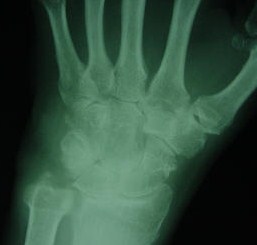
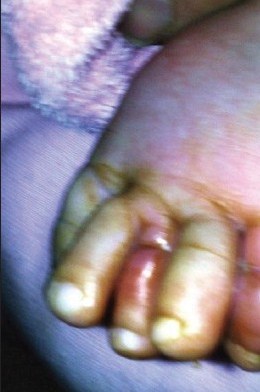



 Archer USMLE Step 3 Blog